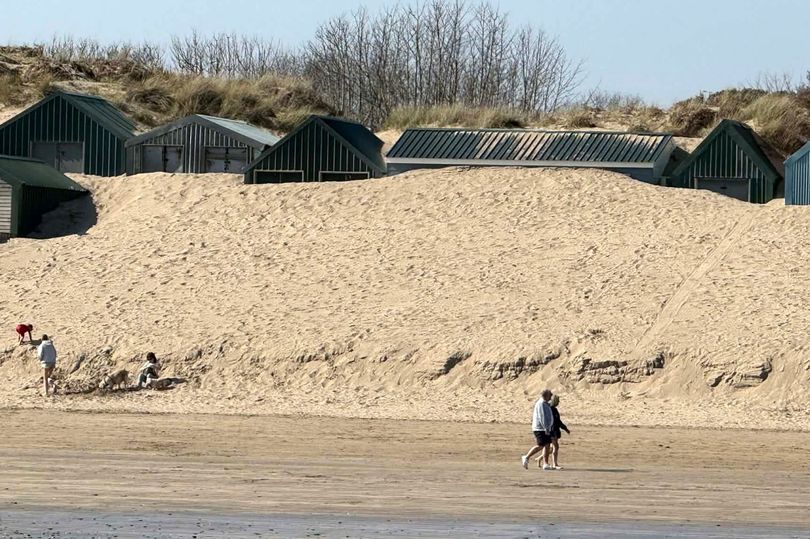
A huge wall of sand has swamped some of Wales’ most expensive beach huts. Some have been submerged for weeks and hopes are fading the sand will clear naturally by Easter.
Each winter Abersoch’s beach hut owners brace for an invasion of sand as easterly winds sweep along the shoreline. But locals and visitors at the Gwynedd resort say this year’s inundations are worse than usual.
Several huts – which can cost up to £250,000 to buy, or £1,000-a-week to rent – remain almost completely submerged near the beach’s slipway. As the sites are private owned, diggers may be needed if their owners are to enjoy an Easter break.
- Date set for full reopening of famous North Wales beach struggling with over-tourism
- North Wales hotel closed two years ago has now reopened – targeting particular type of visitor
“Never seen the shelf this high,” said one woman. “Think some of these beach huts will need the sand removed to access them.” Another added: “Think we need a bigger JCB.”
Other brightly coloured huts have escaped relatively unscathed or have been cleared by tractors already. Owners tend to be sanguine about annual sand movements as nature usually restores the pristine beach to tip-top condition in time for Easter.
But some huts are more vulnerable than others and this year’s winter’s storms carved up the beach more than usual. By early February a 6ft beach step had appeared, denuding the shoreline of sand to expose pebbles beneath.
It promoted Abersoch Watersports to jokingly post a “Missing” notice online, adding: “If found, please return to Abersoch Main Beach by Easter please.” Get all the latest Gwynedd news by signing up to our newsletter – sent every Tuesday
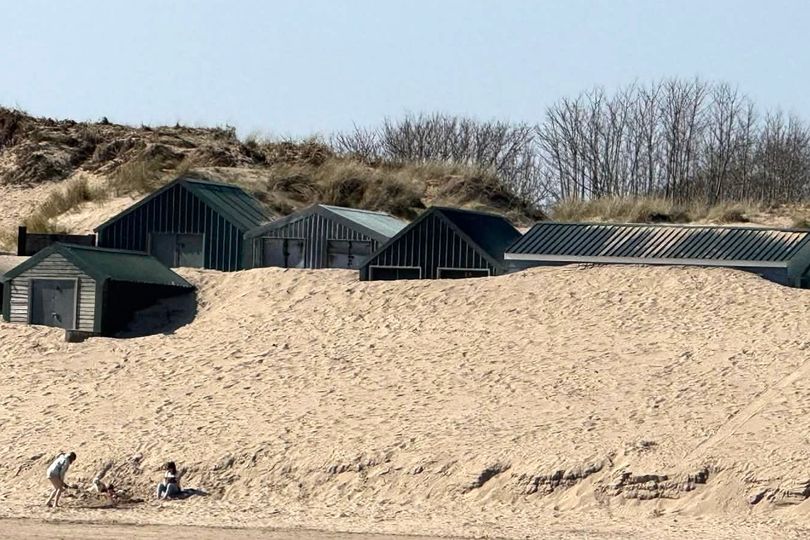
The 6ft beach “cliff” has now largely disappeared as the sands shifted – but not always in the right places.
Inundations on a similar scale occurred in March 2018. But every winter the huts get smothered to some degree and digging them out is an annual job. “The kids used to be paid to dig them out!” said a woman online.
Referencing this year’s sand shelf, a man added: “It used to take all day to dig ours out but that looks particularly bad.”
A hut owner agreed: “I’ve dug out eaves-high wind-blown sand before, back in the 1980s. It varies, as does the sand ledge and pebble ‘underlay’. The worse the weather from the east during winter, and there’s been quite a lot (this winter) – and quite early too – the more disruption occurs.”
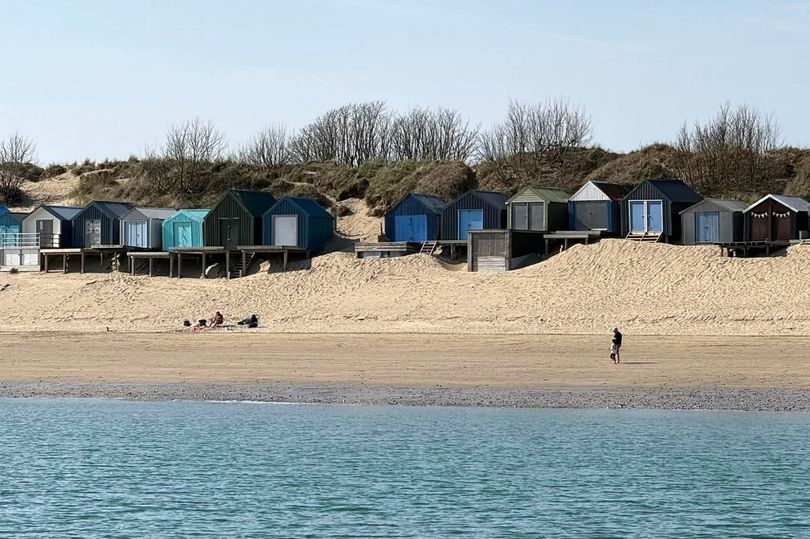
Recent stormy winters have taken a toll on some of the exposed wooden shacks, some now replaced with metal huts. Planning applications for ever larger structures have also risen, prompting concerns over their size.
It’s triggered calls for a size policy to prevent huts dominating their neighbours. Cyngor Gwynedd’s biodiversity unit is keen to limit footprints to avoid destabilising sand dunes – and to restrict heights so that huts don’t shade rare dune wildlife such as the vernal mining bee.
Owning a prestige beach hut at the popular resort comes at a price – even overnight stays are banned. But it’s one many are happy to pay: the huts provide idyllic views and a relaxing spot in the warmer months.
Cheekily, a visitor noted: “If you’re prepared to spend £150k on a shed then I’m sure you can afford to sort the sand out!” Join the North Wales Live Whatsapp community now